References to the extraordinary qualities of gemstones are found across ancient civilizations including Roman, Greek, Persian, Egyptian, Chinese and Indian traditions. The following descriptions preserve classical cultural beliefs and historical interpretations.
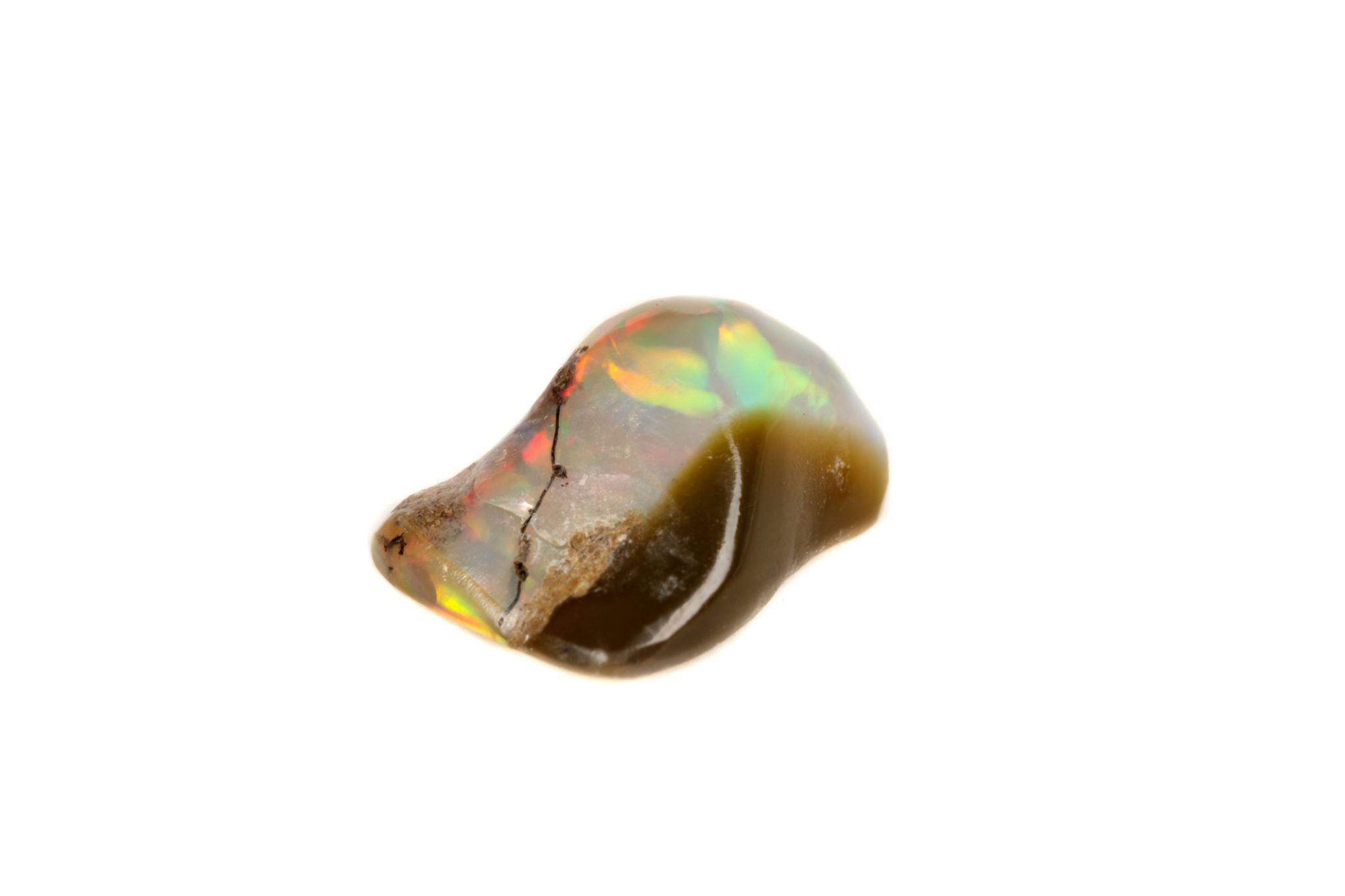
Opal is a variety of crystal found in many colours, giving rise to names such as White Opal, Black Opal, Fire Opal and Water Opal. Water Opal reflects a spectrum of rainbow-like colours.
European women have traditionally worn opal ornaments frequently, admiring its vibrant brilliance and changing hues.
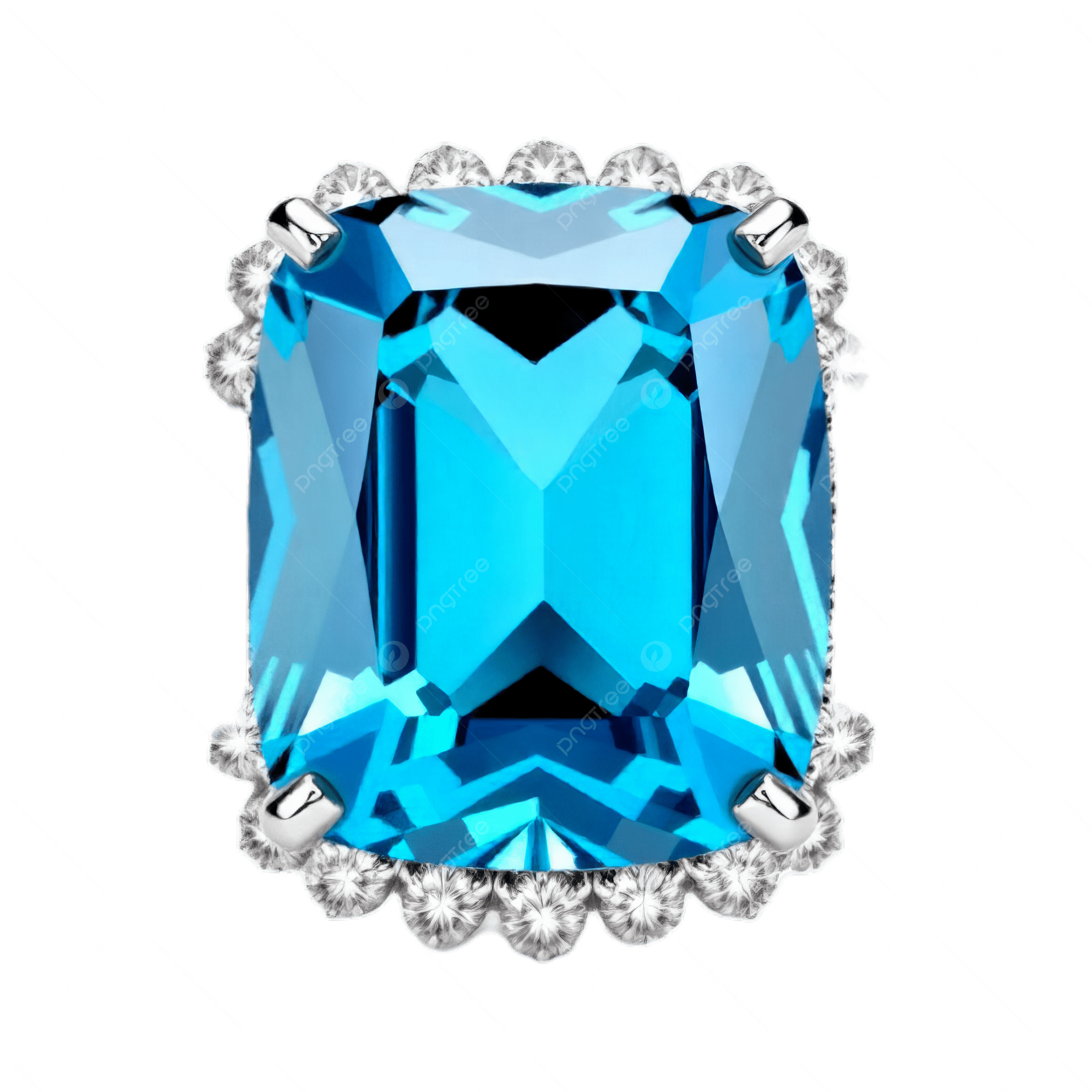
Known as Sardius in ancient times, this gemstone derives its name from the village of Sardis in Asia Minor. The Arabic word “Sard” refers to yellow or yellowish-red, which reflects its colour.
Modern scientists adopted the French-based name Carnelian, meaning yellowish-red. In the Puranas, a similar stone called Rudhirakhya is described.
Indian astrologers consider Carnelian a secondary gemstone to Yellow Sapphire. King Bhoja mentioned that Carnelian brings prosperity and service support.
Ancient Roman and Egyptian traditions associated Carnelian with vitality and emotional control. It has historically been used for etching sacred symbols and religious inscriptions.
Moon Stone is considered a favourite of Lord Shankar in Vedic belief. Traditionally it has been associated with emotional balance and calm disposition.
Some traditions connect it symbolically with soothing influence and stability in life circumstances.
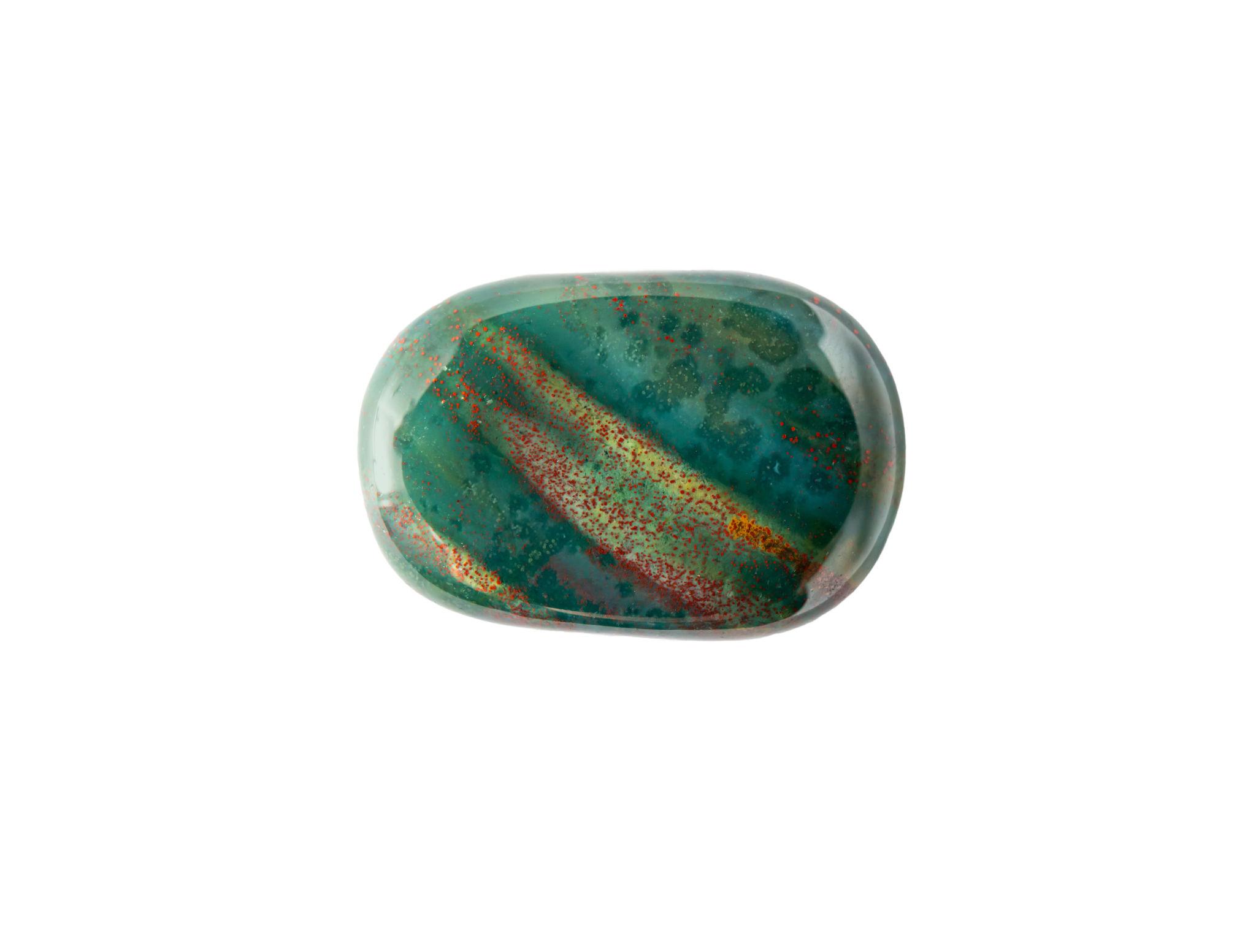
Blood Stone, also known as Heliotrope, may appear green or blue with distinctive red spots resembling drops of blood.
It has long been valued for its unique visual appearance and symbolic strength in various cultures.
Onyx is typically found in black and white colours and is considered a semi-transparent semi-precious stone.
It has historically been valued for decorative and ornamental purposes.
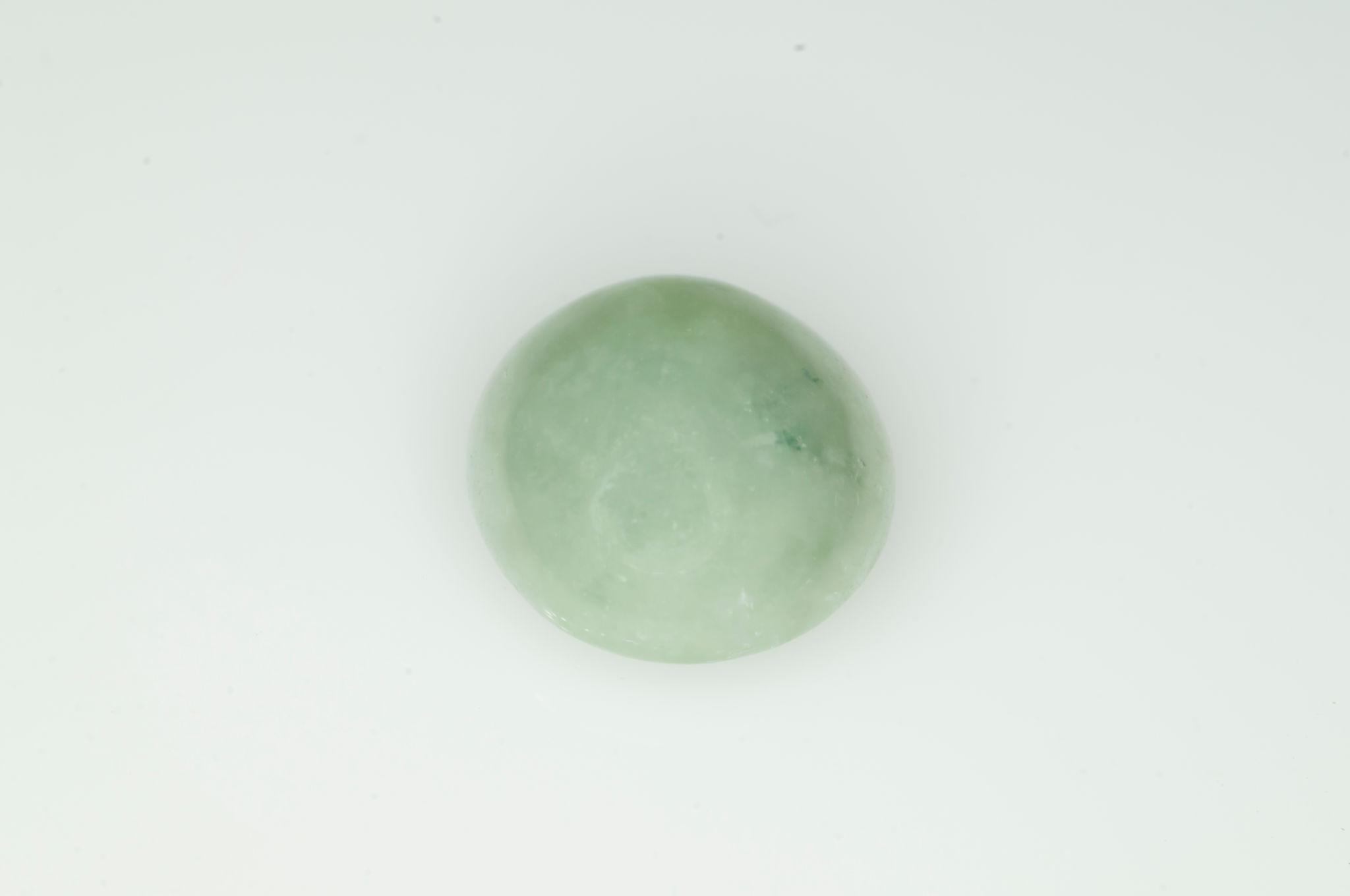
In ancient China, Jade was reserved for kings and emperors. It symbolized purity, prosperity and royal authority.
Buddhist traditions regard Jade as a blessed stone, and numerous Buddha figurines have historically been carved from Jade.
Chinese traditions also include the use of Jade amulets, believed to provide protection and auspicious influence.
Continue reading: Part 1 | Part 2 | Part 3
Important: The above descriptions reflect traditional cultural and historical beliefs. They are presented for educational and heritage purposes. Gemstone selection must always follow proper astrological evaluation and expert consultation.