Across civilizations, gemstones have been associated with symbolic and traditional influences. The following descriptions reflect historical and cultural beliefs connected with these semi-precious stones.
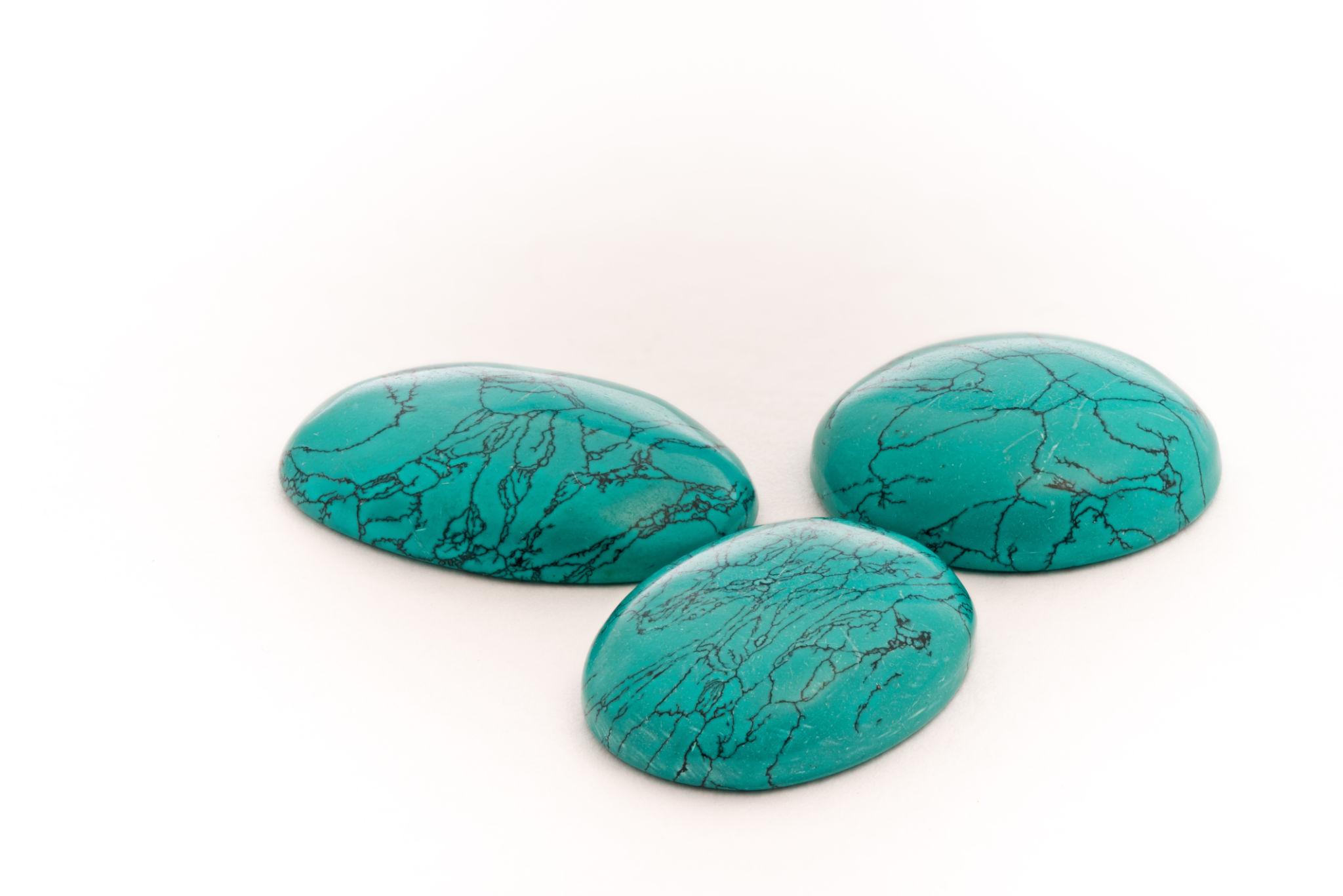
Turquoise has historically been regarded as a stone connected with vitality and positive energy. In various traditions, it is symbolically associated with stability in property matters and protection from negative influences.
It has long been considered a gemstone promoting courage, clarity and emotional strength.
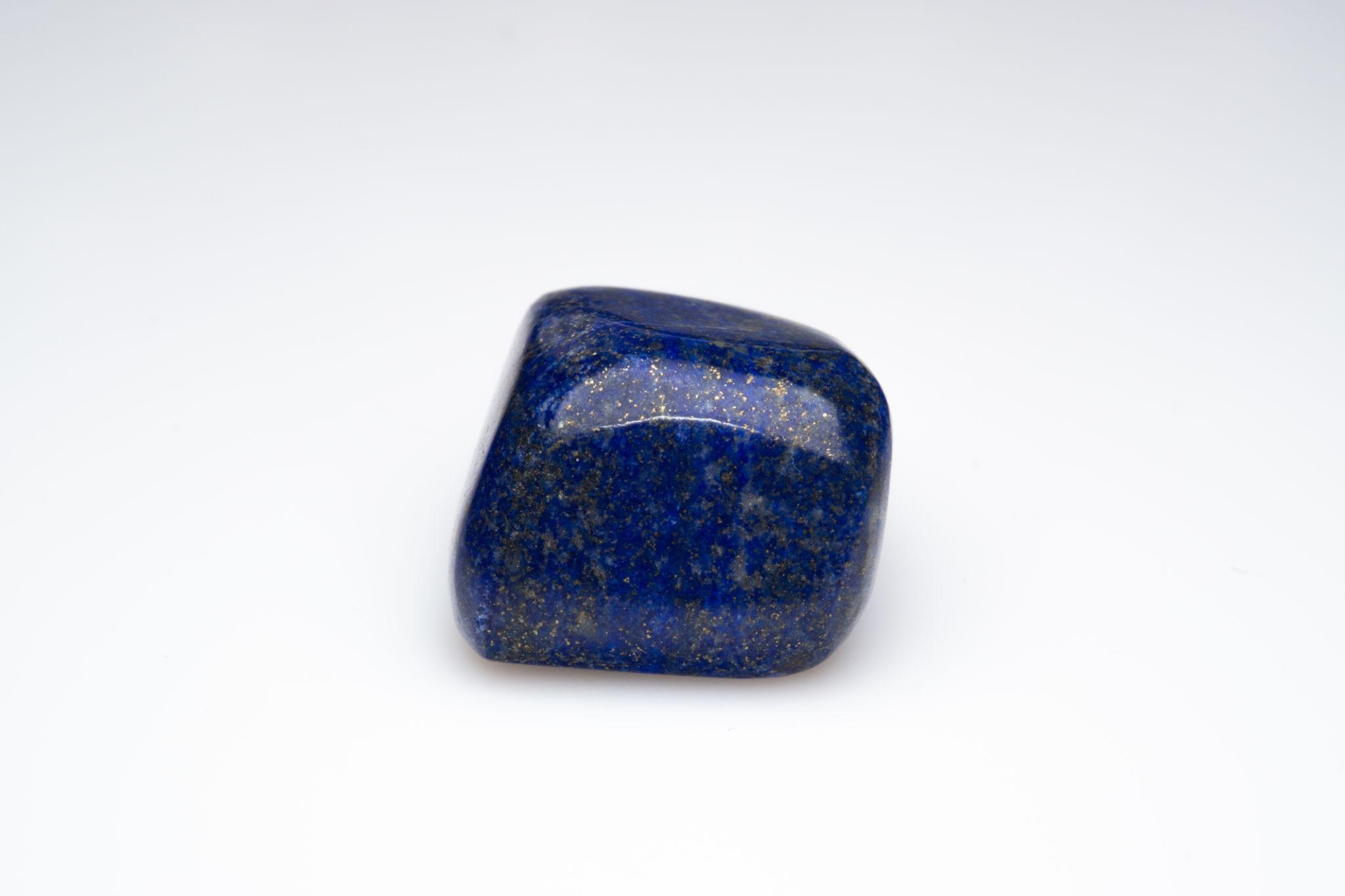
Lapis Lazuli has been valued since ancient Egyptian times. It was historically associated with justice, piety and clarity of judgment.
Western traditions often connected it with Venus, while some Indian astrologers relate it symbolically with Mars. It has been regarded as a stone of intellect, courage and dignity.
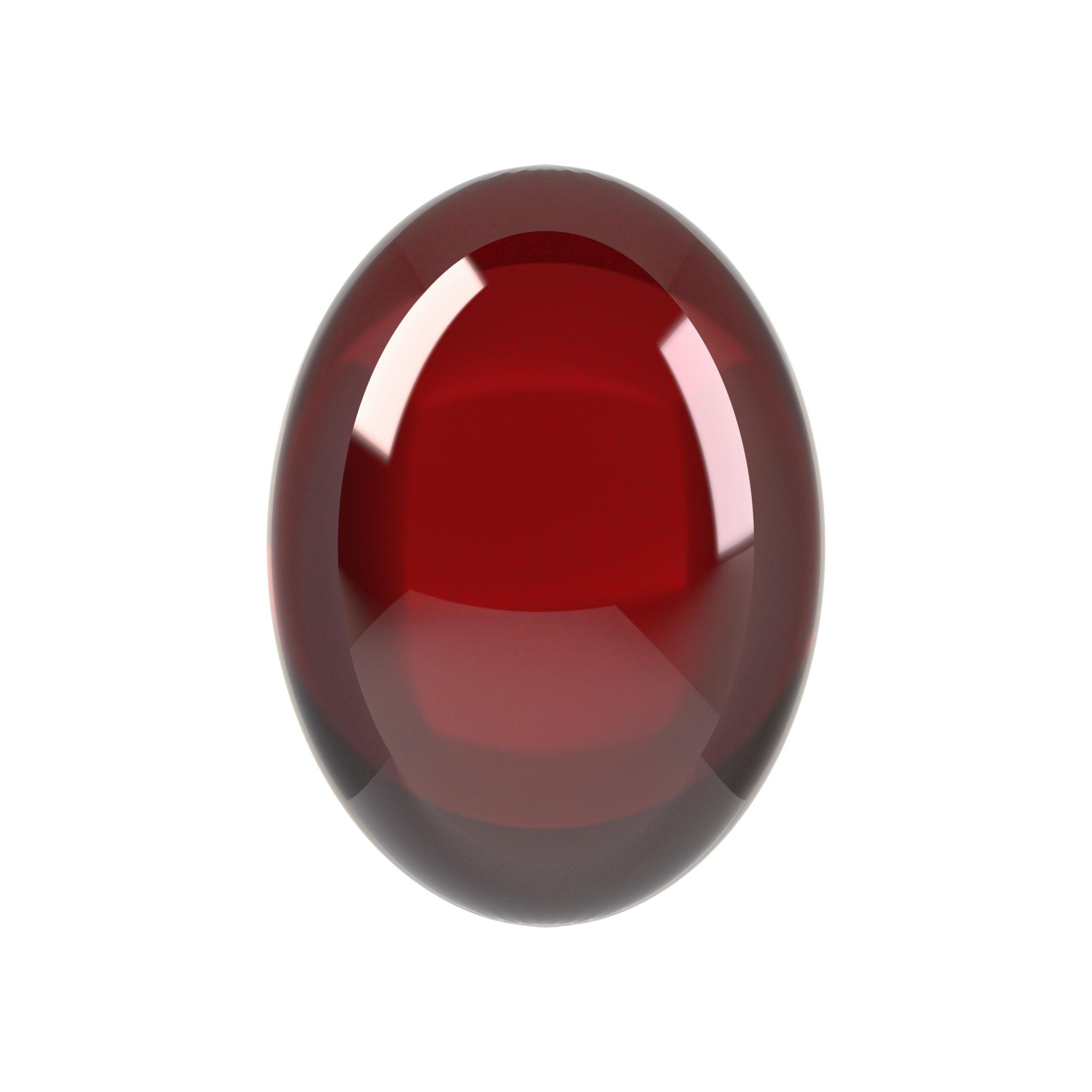
Garnet is often considered a secondary stone to Ruby. Historically, Western traditions associated it with vitality and emotional balance.
Classical references describe Garnet as a gemstone promoting harmony in friendships and stability of temperament.
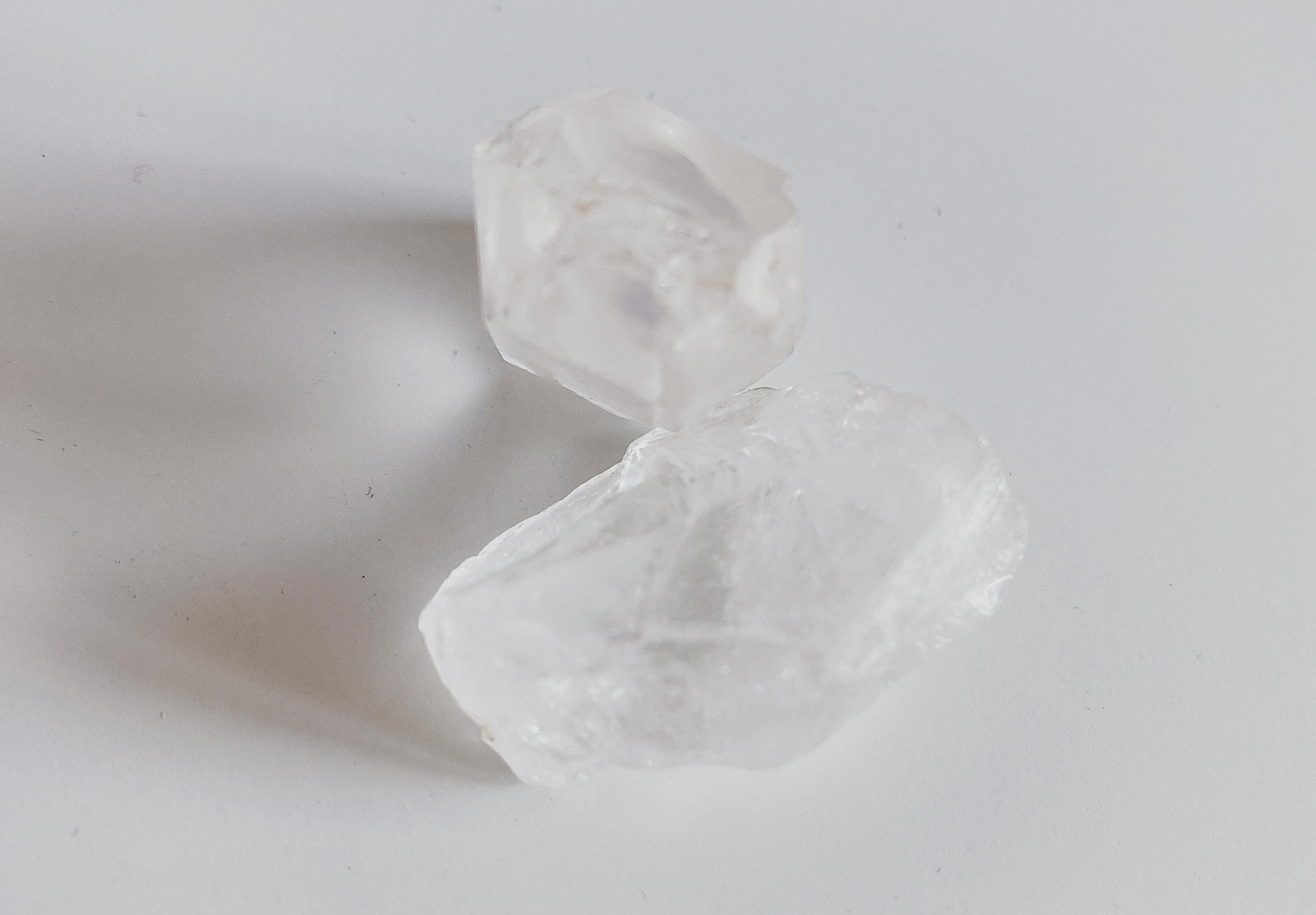
Quartz is one of the most commonly found semi-precious stones. It exists in transparent and semi-transparent varieties.
Many secondary gemstones belong to the Quartz family, including various traditional Indian and Western varieties. It has long been regarded as a versatile and spiritually significant stone.
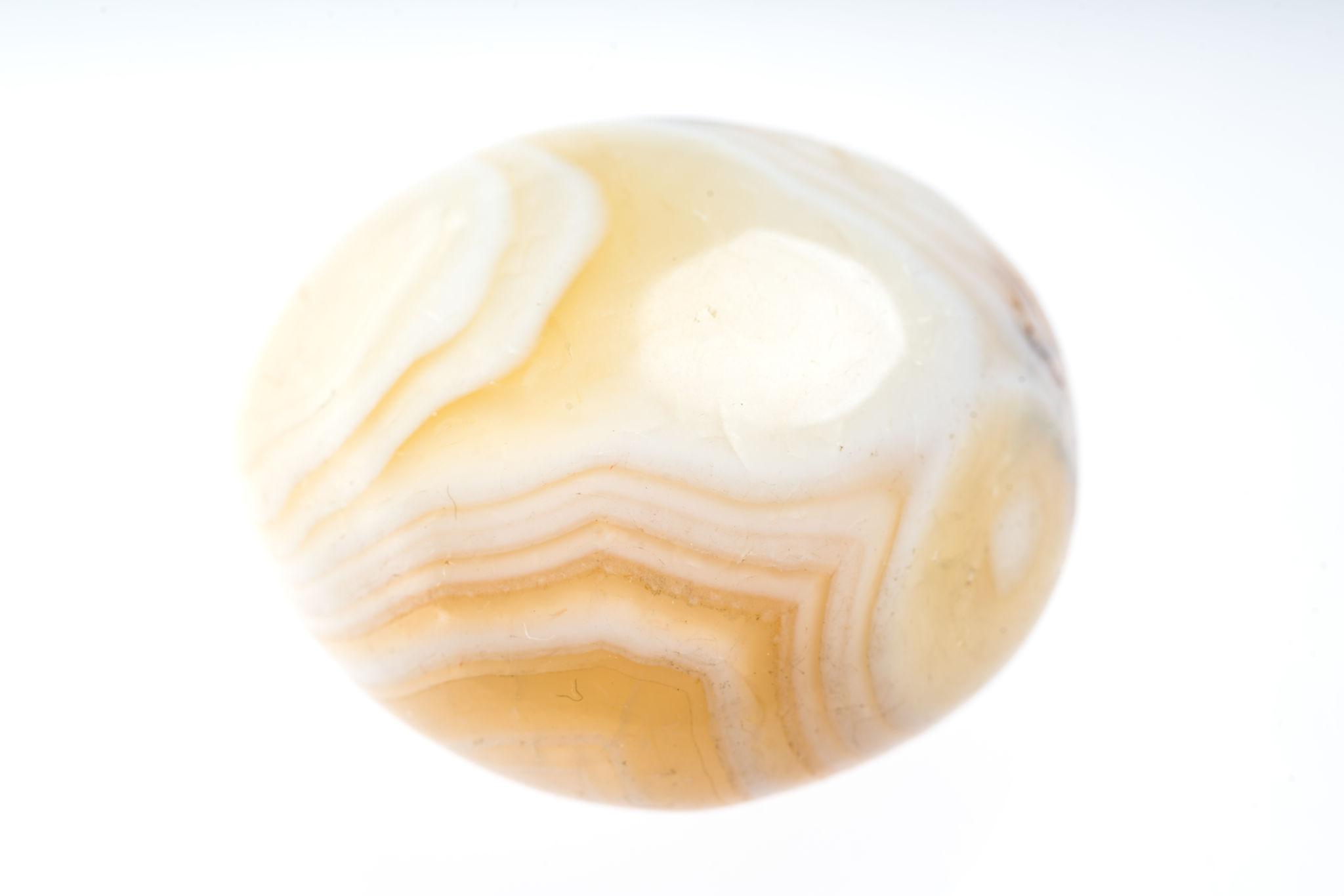
Akik, known in English as Agate, derives its name from the river Achates in Sicily. It holds traditional importance in Islamic culture and is regarded as a spiritually significant stone.